Skilled Plaster Services for Flawless Finishes
Expert plastering solutions proves critical for realizing premium finishes in commercial and residential premises. Qualified specialists apply the fundamental skills and supplies to validate surfaces are smooth, durable, and visually appealing. Owners regularly miss the bearing of expert plastering on total property value and performance. Mastering the finer points of this craft can generate informed choices. Still, numerous parties grapple with common obstacles that may diminish their refurbishment work. What key points should one assess when engaging such services?
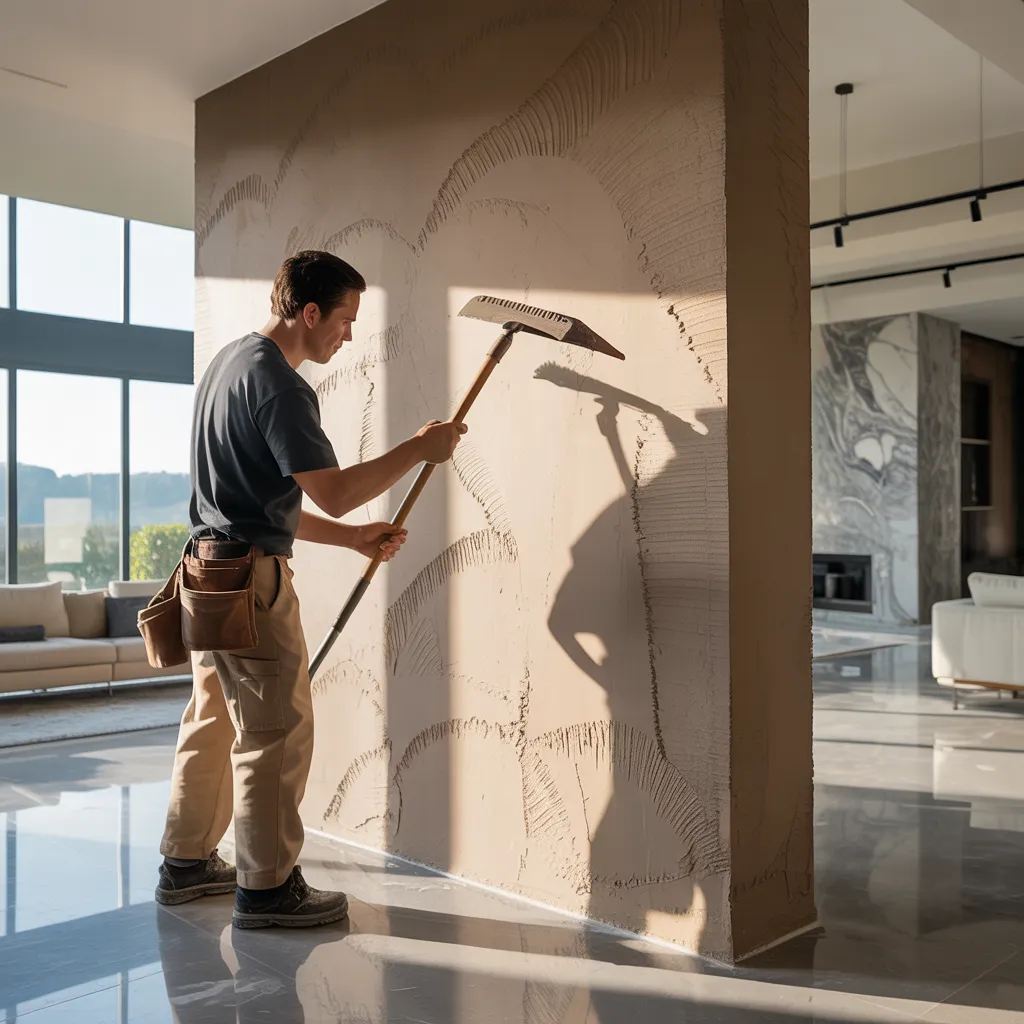
Qualified Plastering Solutions and Why They Are Valuable
When copyrightining home refurbishments, the importance of professional plastering services cannot be overstated. Top-tier plaster finishing is vital for producing a smooth, aesthetically pleasing finish that enhances the overall appearance of a space. Specialists offer skill and background to the equation, guaranteeing that the substance is applied correctly and clings firmly to material. This reduces the threat of fissures, chipping, or textured imperfections that can originate from amateur attempts.
In addition, accomplished plasterers deploy high-grade tools and materials, contributing to the permanence and durability of the application. They demonstrate mastery of assorted plastering methods, which facilitates adapted answers that satisfy specific project objectives. Utilizing expert plaster finishing not only enhances the beauty and aesthetics of a home but also elevates its market price. Ultimately, contracting professionals assures a caliber of expertise that overview self-made attempts regularly cannot equal, making it a critical element of accomplished renovation projects.
Approaches Experienced Plasterers Use to Achieve Excellent Output
Skilled plasterers utilize a range of techniques to ensure superior results that improve both aesthetics and longevity. One fundamental technique is the application of a consistent and suitable mix of plaster, securing optimal bonding and workability. They carefully prepare areas, tackling imperfections and controlling moisture levels, which is essential for an smooth finish.
Additionally, competent plasterers utilize specialized tools, including trowels and hawks, to apply plaster evenly. Techniques like the "float and set" method provide for superior texture and a polished surface. They likewise implement layering strategies, spreading thin coats to minimize cracking and promote even drying.
Careful attention to detail is essential; skilled plasterers skillfully fuse joints and edges, producing seamless shifts. Finally, they may employ finishing techniques, such as sanding or polishing, to achieve a flawless look. Collectively, these methods ensure results that not only meet but exceed client expectations.
Avoid These Typical Plastering Mistakes
When undertaking plaster projects, avoiding common mistakes is essential for obtaining a flawless finish. Inadequate substrate readiness can produce adhesion issues, while improper blend amounts may weaken the plaster's durability. Spotting and resolving these pitfalls can substantially elevate the general standard of the work.
Poor Substrate Preparation
Proper surface treatment is vital for achieving a pristine plaster finish. Inadequate preparation can lead to numerous issues, such as poor attachment and uneven surfaces. Professionals highlight the importance of cleaning the surface to remove dust, grease, and old paint. Any imperfections, like cracks or holes, must be repaired to guarantee a smooth base. Additionally, applying a suitable bonding agent can enhance grip, especially on porous or chalky surfaces. Neglecting these steps often results in peeling, bubbling, or cracking of the plaster, undermining the overall aesthetic. By prioritizing thorough surface preparation, plastering experts can mitigate common pitfalls and guarantee a durable, superior finish that enhances the appearance and longevity of walls and ceilings.
Inaccurate Blend Percentages
Getting the ideal plaster texture relies on proper blend proportions, an essential step often overlooked by beginners. Wrong ratios of plaster to water can lead to multiple problems, such as poor adhesion or a surface that cracks and crumbles. For copyrightple, too much water can weaken the plaster, causing weak finishes that lack durability. Conversely, insufficient water can produce a thick mixture that is hard to spread and prone to inconsistent curing. Experts emphasize the significance of following manufacturer guidelines for mixing ratios to guarantee peak performance. By avoiding these typical blending errors, plasterers can achieve a flawless finish that improves both the aesthetic and structural integrity of the surfaces they work on.
5 Tips for Selecting the Finest Plastering Provider for Your Renovation
When choosing a plaster contractor for a remodeling project, it is essential to confirm the credentials and experience of potential contractors. This guarantees that the selected contractor possesses the required expertise and competence for the job. Additionally, obtaining comprehensive quotes helps homeowners grasp the extent of the project and associated costs, facilitating informed decision-making.
Check Credentials And Experience
Why is it important for homeowners to verify they are selecting correctly for a plastering service during their renovation? An key step involves verifying the credentials and work experience of potential plaster professionals. Homeowners should identify experts who carry licenses and insurance, as these credentials demonstrate a commitment to excellence and protection. Also, reviewing industry certifications can further ensure expertise with plaster application methods.
Experience operates as a critical role; a contractor with years in the field is likely to have dealt with diverse challenges and developed effective solutions. Homeowners should also search for reviews and testimonials from previous clients to determine satisfaction and reliability. By thoroughly checking credentials and experience, homeowners can make educated decisions, ultimately leading to a successful renovation.
Ask for Detailed Estimates
Once you have verified credentials and experience, homeowners should focus on requesting thorough estimates from candidate plastering services. This step is crucial in guaranteeing transparency and understanding of the project's scope. Homeowners should request estimates that list costs, including materials, labor, and any additional fees. It is recommended to assess at least three estimates to measure market rates and avoid overpricing. Moreover, homeowners should inquire about the estimated timeline for completion, as delays can impact renovations considerably. Clear communication during this phase can help clarify expectations and responsibilities. Ultimately, choosing a plastering service based on properly documented estimates can lead to a easier renovation experience and improve satisfaction with the finished results.
Long-Term Advantages of Employing Skilled Plasterers
Investing in talented plaster specialists offers considerable ongoing benefits that enhance both appearance and durability. Superior plastering services not only establishes a attractive aesthetic appearance but also strengthens the load-bearing capacity of walls. Trained specialists grasp the intricacies of various materials, ensuring that the plaster sticks securely and withstands weather conditions. This proficiency cuts down the possibility of cracks, peeling, and damage over time, lowering the need for pricey repairs.
Moreover, a well-executed plastering job strengthens heat retention and power usage, generating potential savings on heating and cooling costs. The longevity of the finish means homeowners can enjoy their investment without frequent touch-ups or replacements. Additionally, hiring qualified plasterers can add value of a property, presenting it as more attractive to prospective clients. Ultimately, the rewards of expert plastering services transcend quick visual improvements, offering permanent benefits that justify the original outlay.
Transforming Your Space: Before and After Plaster copyrightples
Witnessing the development of a space through professional plastering can be truly astounding. Before plastering, walls often show defects, such as cracks, uneven surfaces, and peeling paint, creating an uninviting atmosphere. In contrast, after plastering, these same walls can appear smooth, clean, and attractive, substantially elevating the overall mood of the room.
For copyrightple, a living room that once looked confined and old-fashioned can be transformed with a fresh plaster finish, enabling light to radiate from its newly refined walls. In the same way, a bathroom previously damaged by water damage can restore its charm with professional plaster finishing, securing both aesthetics and durability.
Before and after pictures demonstrate the impact of proficient plastering on a building's worth and charm. In conclusion, these transformations demonstrate how professional plastering offerings can breathe new life into any space, offering both beauty and functionality.
Frequently Inquired Questions
How Much Time Does a Standard Plastering Job Usually Last?
A typical plaster work usually takes approximately one to three days, depending on the size and complexity of the area. Factors such as curing period and several layers may also affect the overall duration.
What Types of Plaster Are Typically Utilized?
Frequently used plaster varieties consist of gypsum plaster, cement plaster, and lime plaster. Each serves distinct objectives; gypsum is favored for interiors, cement provides durability for exteriors, while lime offers pliability and breathability in various applications.
Is It Possible to Apply Plaster When It's Wet?
Plastering during humid weather is usually not suggested, as water content can compromise bond strength and setting periods. Appropriate environmental factors are vital for attaining perfect finishes, promoting durability and a smooth finish in plaster jobs.
What Techniques Should I Take to Care for Recently Plastered Walls?
To keep newly applied plaster surfaces, guarantee adequate air circulation, prevent high humidity levels, and abstain from touching the surface until completely hardened. Regularly check for cracks or imperfections and use a suitable sealer once completely dried.
Can you find environmentally conscious plaster options?
Indeed, eco-conscious plastering alternatives are available, including natural clay, lime plasters, and gypsum options. These elements diminish environmental impact while providing breathability and sustainability, making them suitable choices for environmentally conscious projects.